How to prevent frozen pipes in winter
In this article9 sections
How to Prevent Frozen Pipes in Winter
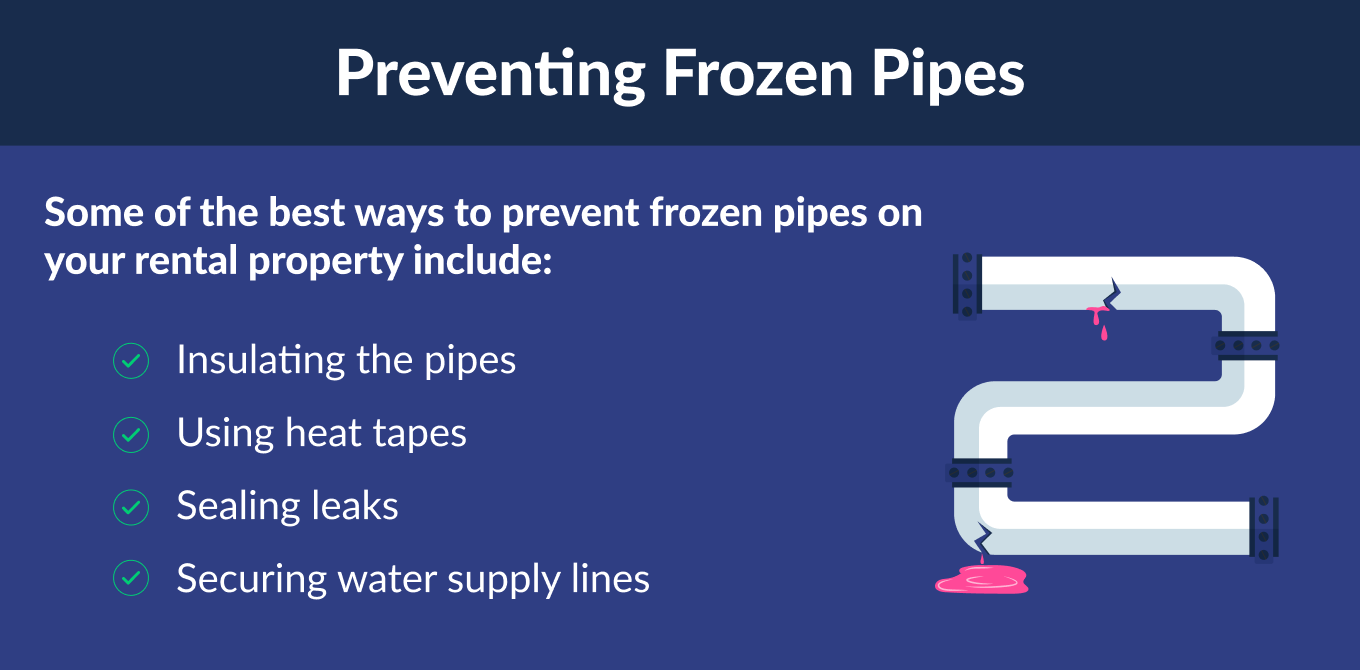
Winter brings cold temperatures that can cause water pipes to freeze and potentially burst, leading to costly repairs and water damage. Preventing frozen pipes is essential for homeowners, especially in regions with harsh winters. This article provides detailed, practical advice on how to protect your plumbing system during the cold months.
Why Do Pipes Freeze?
Pipes freeze when the temperature around them drops below 32°F (0°C). Water inside the pipes expands as it freezes, which can cause the pipes to crack or burst. Pipes located in unheated areas such as basements, attics, garages, and exterior walls are particularly vulnerable.
Key Strategies to Prevent Frozen Pipes
| Strategy | Description |
|---|---|
| Insulate Pipes | Use foam pipe insulation sleeves or heat tape to keep pipes warm. |
| Seal Leaks | Seal cracks and openings near pipes to prevent cold air from entering. |
| Keep Water Flowing | Let faucets drip slightly to keep water moving and reduce freezing risk. |
| Maintain Home Temperature | Keep your home heated to at least 55°F (13°C), even when away. |
| Open Cabinet Doors | Open kitchen and bathroom cabinet doors to allow warm air to circulate around pipes. |
Additional Tips
- Disconnect Garden Hoses: Remove and drain outdoor hoses to prevent freezing and damage.
- Install Pipe Heating Cables: For extremely cold climates, consider electric heating cables.
- Know Your Water Shutoff Valve: In case of a burst pipe, quickly shutting off water can minimize damage.
Frequently Asked Questions (FAQ)
What should I do if I suspect a frozen pipe?
If you suspect a pipe is frozen, turn off the main water supply and gently warm the pipe using a hairdryer or heating pad. Avoid open flames.
Can I prevent frozen pipes if I’m away during winter?
Yes, keep your thermostat set to at least 55°F (13°C) and ask someone to check your home regularly.
Are all pipes equally at risk?
No, pipes in unheated or poorly insulated areas are more susceptible to freezing.
Conclusion
Taking proactive steps to prevent frozen pipes can save you from costly repairs and water damage. By insulating pipes, maintaining home temperature, and following the tips above, you can protect your plumbing system throughout the winter season.
Stay warm and keep your pipes safe this winter!