Energy-efficient water heating solutions
In this article5 sections
Energy-Efficient Water Heating Solutions
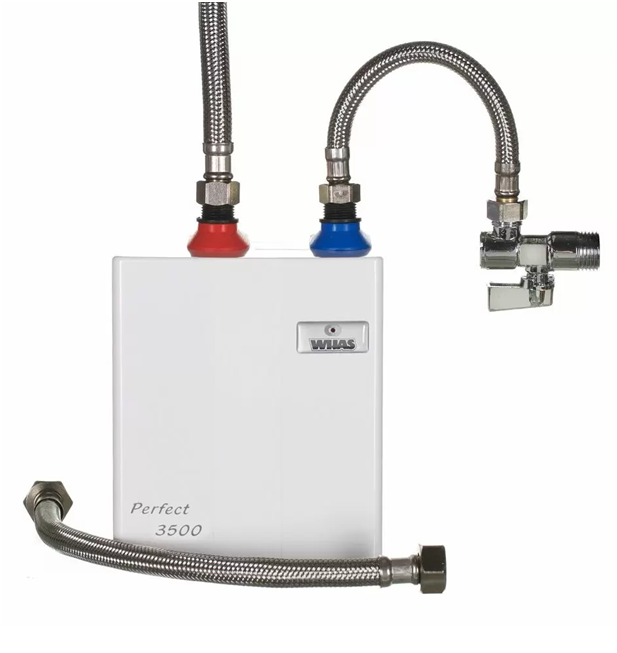
Water heating is a significant part of household energy consumption, accounting for nearly 18% of the energy used in a typical home. Implementing energy-efficient water heating solutions not only reduces utility bills but also minimizes environmental impact. This article explores various technologies, benefits, and tips for optimizing water heating efficiency.
Types of Energy-Efficient Water Heaters
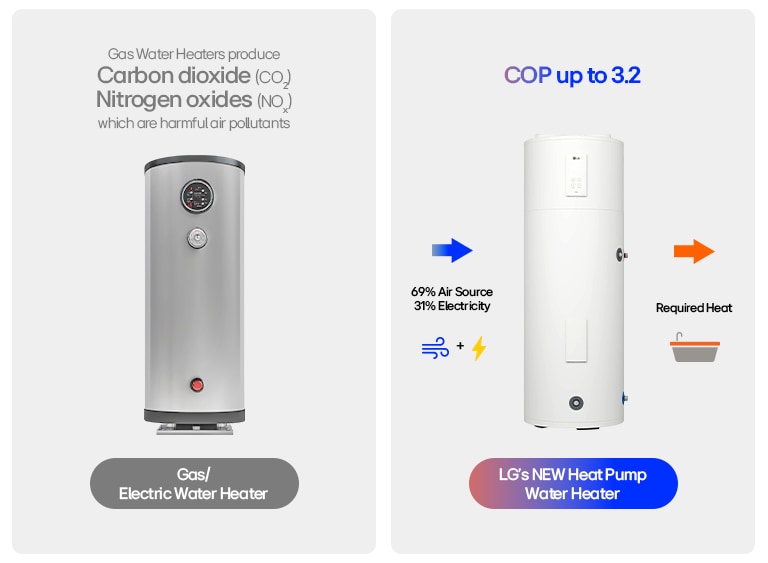
| Type | Description | Energy Efficiency | Typical Lifespan | Ideal Use Case |
|---|---|---|---|---|
| Tankless (On-Demand) | Heats water only when needed, eliminating standby heat loss. | High | 20+ years | Homes with low to moderate hot water demand |
| Heat Pump Water Heaters | Extracts heat from the air or ground to heat water, using electricity efficiently. | Very High | 10-15 years | Suitable for warm climates and well-insulated homes |
| Solar Water Heaters | Uses solar panels to capture energy from the sun to heat water. | Very High | 20+ years | Best for sunny regions with high solar exposure |
| Condensing Water Heaters | Captures and reuses heat from exhaust gases to improve efficiency. | High | 15-20 years | Homes with natural gas supply and high hot water usage |
Benefits of Energy-Efficient Water Heating
- Cost Savings: Reduced energy consumption leads to lower utility bills.
- Environmental Impact: Decreases greenhouse gas emissions by using less fossil fuel energy.
- Improved Performance: Provides consistent hot water supply with less energy waste.
- Long-Term Investment: Many efficient models have longer lifespans and may qualify for rebates or tax incentives.
Tips for Maximizing Water Heating Efficiency
- Lower Water Heater Temperature: Set the thermostat to 120°F (49°C) to save energy and prevent scalding.
- Insulate Water Heater and Pipes: Use insulation blankets and pipe insulation to reduce heat loss.
- Regular Maintenance: Flush the tank annually to remove sediment buildup and check for leaks.
- Use Water-Saving Fixtures: Install low-flow showerheads and faucets to reduce hot water demand.
- Consider Smart Controls: Use programmable timers or smart thermostats to heat water only when needed.
Frequently Asked Questions (FAQ)
Q1: How much can I save by switching to a tankless water heater?
A1: Tankless water heaters can reduce water heating energy use by 24-34%, potentially saving $100 or more annually depending on your usage and energy rates.
Q2: Are solar water heaters effective in cloudy climates?
A2: While solar water heaters perform best in sunny areas, modern systems with backup heating can still provide energy savings in less sunny climates.
Q3: What maintenance is required for heat pump water heaters?
A3: Regular cleaning of air filters and ensuring adequate airflow around the unit are essential for optimal performance.
Q4: Can I install an energy-efficient water heater myself?
A4: Installation often requires professional expertise, especially for systems involving gas lines or solar panels, to ensure safety and compliance with local codes.
By choosing the right energy-efficient water heating solution and following best practices, homeowners can enjoy reliable hot water while reducing their environmental footprint and energy costs.